Many people receive unused Sephora cards as gifts but may not have a need for beauty products, or accumulate multiple cards they don’t plan to use. Trading these cards is a practical way to recoup value instead of letting them go to waste, but it requires careful planning to avoid scams or disputes. Before engaging in any trade, it’s wise to confirm the card’s current balance—most Sephora cards can be checked via the brand’s official website or in-store—to ensure accuracy and transparency with the other party.
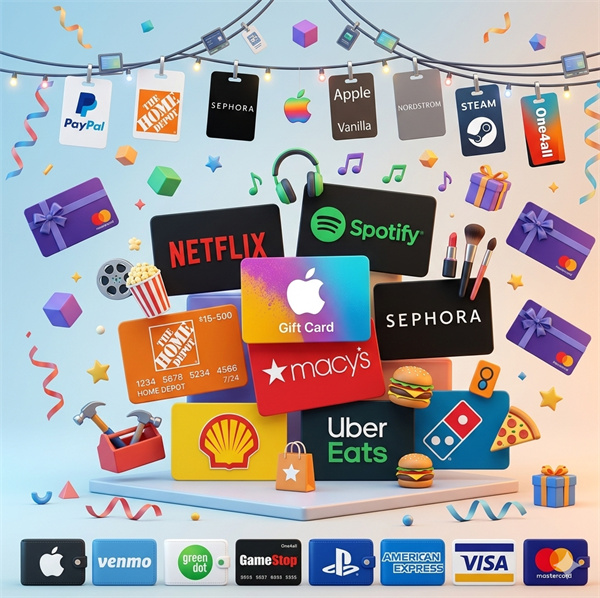
There are several reliable platforms to facilitate Sephora card trades. Online marketplaces focused on gift cards often offer user reviews, buyer protection, and secure payment options, which help reduce risks. Peer-to-peer (P2P) platforms or local community groups (both online and offline) can also be viable, but it’s critical to vet the other user thoroughly—look for verified profiles, positive feedback, and clear communication. When using P2P platforms, never share the card’s PIN or full number until payment is confirmed or the trade is finalized to prevent unauthorized use.
To ensure a smooth and safe trade, follow basic best practices. If trading in person, meet in a public, well-monitored location like a coffee shop or library, and bring a friend if possible. Avoid users who pressure you into quick decisions or ask for personal information beyond what’s needed for the trade (e.g., bank account details). Additionally, be honest about any restrictions on the card, such as expiration dates or regional limitations, to build trust and avoid post-trade conflicts. By taking these steps, you can turn an unused Sephora card into something more useful while minimizing risks.